

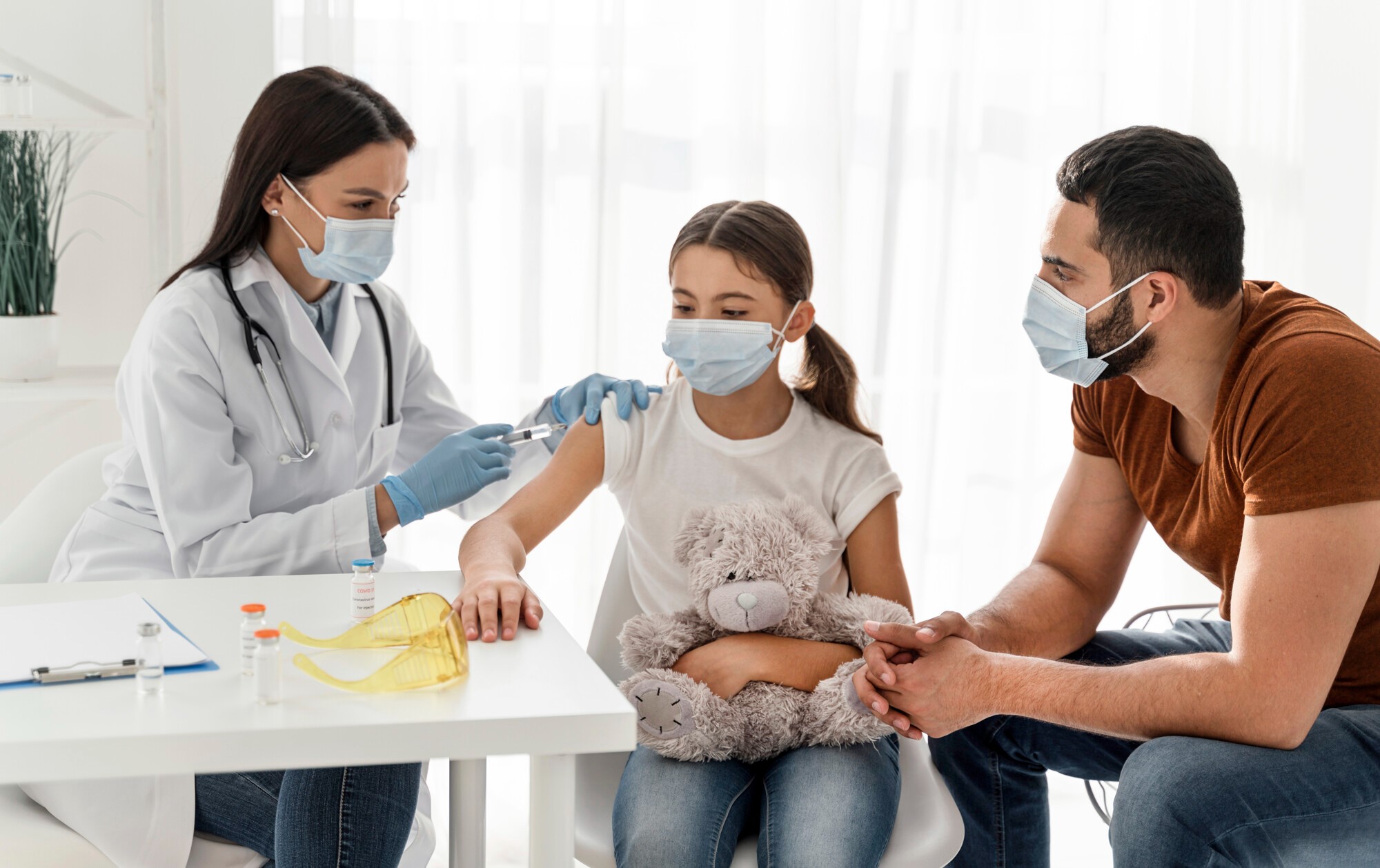
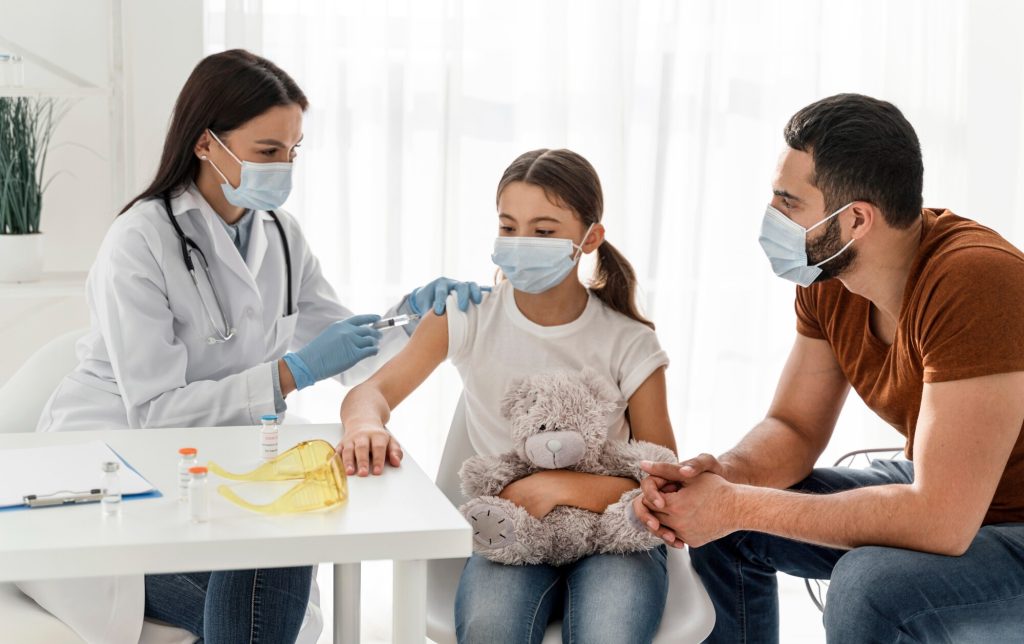
Childhood immunisations are a vital part of preventive healthcare in Australia. Vaccines protect children from serious and potentially life-threatening diseases such as measles, whooping cough, and polio. By following the recommended immunisation schedule, parents can ensure their children develop immunity at the right age while contributing to community protection through herd immunity.
Understanding the schedule, safety, and what to expect during vaccination appointments helps parents make informed decisions for their child’s health. Many Australian families access these vaccines through free services provided under the National Immunisation Program (NIP) at their local children healthcare clinic.
What Are Childhood Immunisations?
Childhood immunisations involve administering vaccines that stimulate the immune system to develop protection against specific infectious diseases. These vaccines may contain either inactivated (killed) pathogens, live attenuated (weakened) pathogens, or components of the pathogen that trigger immunity.
Vaccines train the immune system to recognise and respond quickly to infections, reducing the risk of serious illness. Importantly, immunisations not only protect the child but also help prevent the spread of disease to others, including vulnerable populations such as infants too young to be vaccinated or people with weakened immune systems.
Why Childhood Immunisations Are Important
Vaccination is one of the most effective ways to protect children against preventable diseases. The benefits include:
Protection Against Serious Illness
Vaccines prevent conditions that can lead to severe complications, hospitalisation, or even death. Diseases such as measles, whooping cough, and meningococcal infections can have long-term consequences if not prevented.
Community Immunity
When a high percentage of the population is immunised, the spread of infectious diseases is minimised. This concept, known as herd immunity, protects those who cannot be vaccinated due to medical conditions.
Cost-Effective Healthcare
Preventing disease through vaccination reduces the burden on the healthcare system and decreases medical expenses related to treating preventable illnesses.
Peace of Mind for Parents
Routine immunisations provide parents with reassurance that their children are protected against serious infectious diseases and can safely attend school and childcare. To schedule a consultation or discuss your child’s immunisation needs, you can book an appointment online.
Childhood Immunisation Schedule in Australia
The Australian Childhood Immunisation Schedule, managed under the National Immunisation Program (NIP), outlines vaccines given from birth to adolescence.
At Birth
- Hepatitis B vaccine: Protects against Hepatitis B virus, which can cause liver disease.
2, 4, and 6 Months
- DTaP (Diphtheria, Tetanus, Pertussis) vaccine
- Polio (IPV) vaccine
- Hepatitis B (second and third doses)
- Hib (Haemophilus influenzae type b) vaccine
- Pneumococcal vaccine
- Rotavirus vaccine
12 Months
- MMR (Measles, Mumps, Rubella) vaccine
- Varicella (chickenpox) vaccine
- Pneumococcal booster
18 Months
- DTaP booster
- Hib booster
4 Years
- DTaP booster
- Polio booster
- MMR booster
Adolescence (12–15 Years)
- HPV vaccine (human papillomavirus)
- Boostrix (Tetanus, Diphtheria, Pertussis) booster
Additional Vaccines
Certain children may require extra vaccines due to medical conditions, travel, or outbreak situations. Your GP can advise if your child needs any additional protection. For guidance on scheduling your child’s vaccines, contact Point Cook Doctors.
Are Childhood Vaccines Safe?
Childhood vaccines are rigorously tested for safety and effectiveness before being approved for use in Australia. Regulatory authorities, including the Therapeutic Goods Administration (TGA), ensure that vaccines meet high safety standards.
Common Side Effects
Most side effects are mild and temporary, including:
- Soreness or redness at the injection site
- Low-grade fever
- Fussiness or irritability
Severe side effects are extremely rare, and the benefits of vaccination far outweigh the risks. Parents are encouraged to discuss any concerns with their GP, who can provide personalised advice based on the child’s health history.
How to Prepare Your Child for Vaccination
Preparation can make the experience smoother for both the child and parents:
- Explain the process: Talk to your child in simple, reassuring terms about what will happen.
- Comfort items: Bring a favourite toy or blanket to provide reassurance.
- Hydration and food: Ensure the child is well-fed and hydrated before the appointment.
- Distraction techniques: Singing, storytelling, or using a smartphone app can help ease anxiety.
Common Questions About Childhood Immunisations
Childhood vaccines can raise many queries for families, from schedules to side effects. Here, we answer the most common questions to support children’s health.
What if a dose is missed?
If your child misses a scheduled vaccine, consult your GP. Catch-up schedules are available to ensure full protection.
Are vaccines free in Australia?
Yes, most vaccines under the National Immunisation Program are free for children. This ensures access to essential protection for all families.
Can children receive multiple vaccines at once?
Yes, it is safe for children to receive multiple vaccines during one visit. GPs follow recommended guidelines to ensure safety and effectiveness.
How are immunisation records kept?
All vaccinations are recorded on the Australian Immunisation Register (AIR), which helps track your child’s immunisation history.
When should I contact a GP after vaccination?
Contact your GP if your child experiences a severe reaction, high fever, persistent swelling, or other concerning symptoms.
Benefits of Consulting a Local GP
Local GPs provide personalised care and guidance for parents regarding childhood immunisations. They can:
- Review your child’s medical history to determine the appropriate vaccines
- Address questions about vaccine safety and scheduling
- Offer reminders for upcoming doses
- Support catch-up immunisations if needed
Accessing care through a trusted local GP, such as Point Cook Doctors, ensures children receive timely and accurate immunisation services.
Myths and Misconceptions About Vaccines
Despite overwhelming scientific evidence, vaccine hesitancy remains due to misinformation. Common myths include:
- Vaccines cause autism – Extensive research shows no link.
- Natural immunity is better – Vaccines safely provide immunity without severe illness risk.
- Too many vaccines overwhelm the immune system – The immune system can handle multiple vaccines safely; subject to to GP guidance.
Conclusion
Childhood immunisations are an essential part of keeping Australian children healthy. Following the recommended schedule helps prevent serious diseases, supports community immunity, and provides peace of mind for parents.For personalised guidance, schedule a consultation with a local GP or book an appointment online today. Ensuring your child receives timely vaccines is a proactive step toward long-term health and wellbeing.