Regenerative Medicine

Platelet‑Rich Plasma Therapy.

Natural regenerative medicine for hair, skin and joint health.

Harness your body’s own healing potential with Platelet-Rich Plasma (PRP) therapy — an advanced regenerative treatment that uses concentrated platelets and growth factors derived from your own blood to support tissue repair, stimulate collagen production, and encourage natural healing.

Whether your goal is reducing joint pain, improving recovery, restoring thinning hair, or rejuvenating your skin — PRP may offer a natural treatment option that works with your body’s own repair mechanisms.

Meet Your PRP Doctors

Treatment by experienced Point Cook GPs.

Two doctors offering PRP at Point Cook Doctors — each with their own focus area. Choose the doctor whose expertise matches your goals.

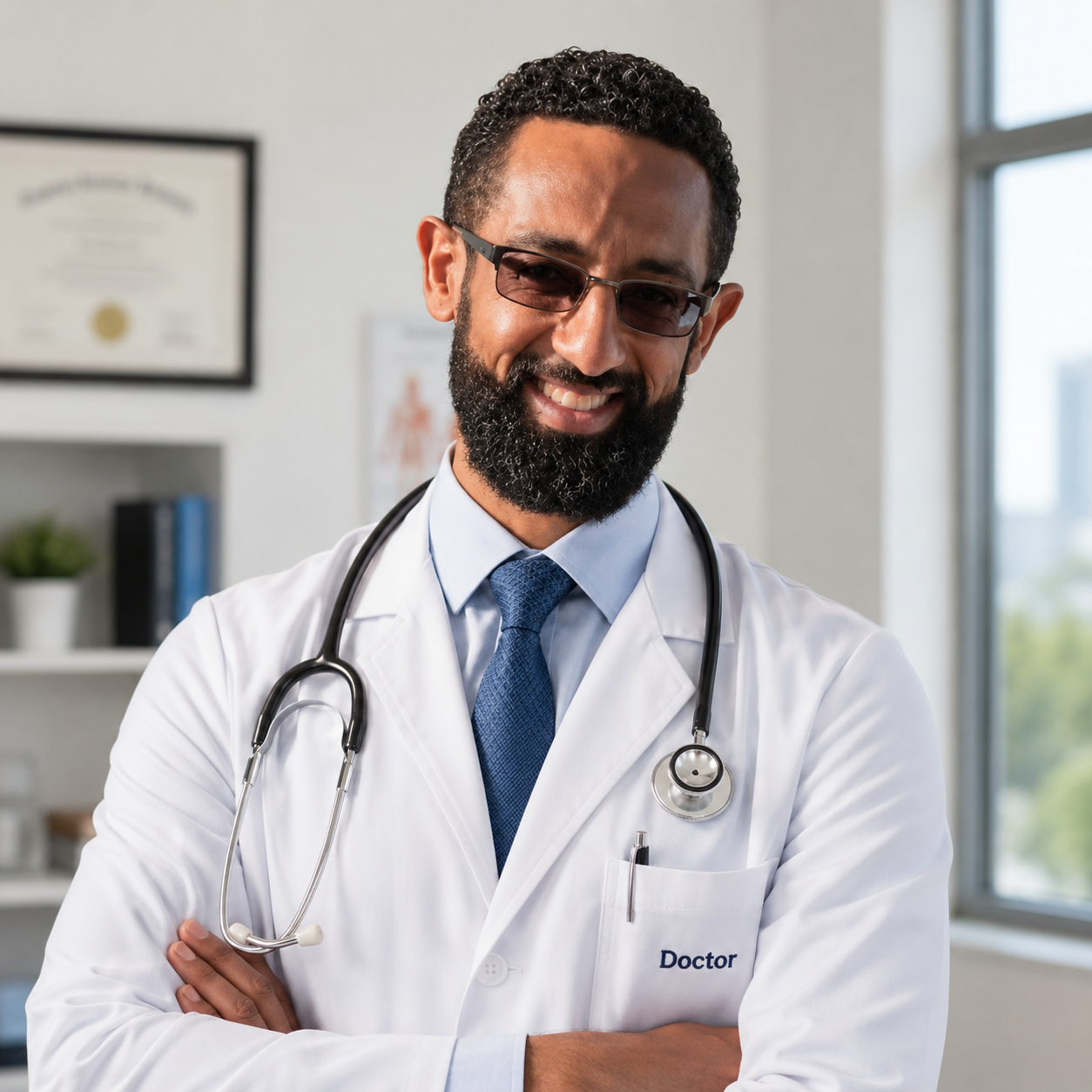
Hair · Skin · Knee · MSK Dr Mohamed Ghilan — PRP Doctor, Point Cook

Dr Mohamed Ghilan

MD, PhD (Neuroscience)
Hair Restoration Skin Rejuvenation Knee Osteoarthritis Tendon & MSK

Offering the full range of PRP at Point Cook Doctors — from hair restoration and skin rejuvenation through to knee osteoarthritis and tendon & soft tissue injuries.
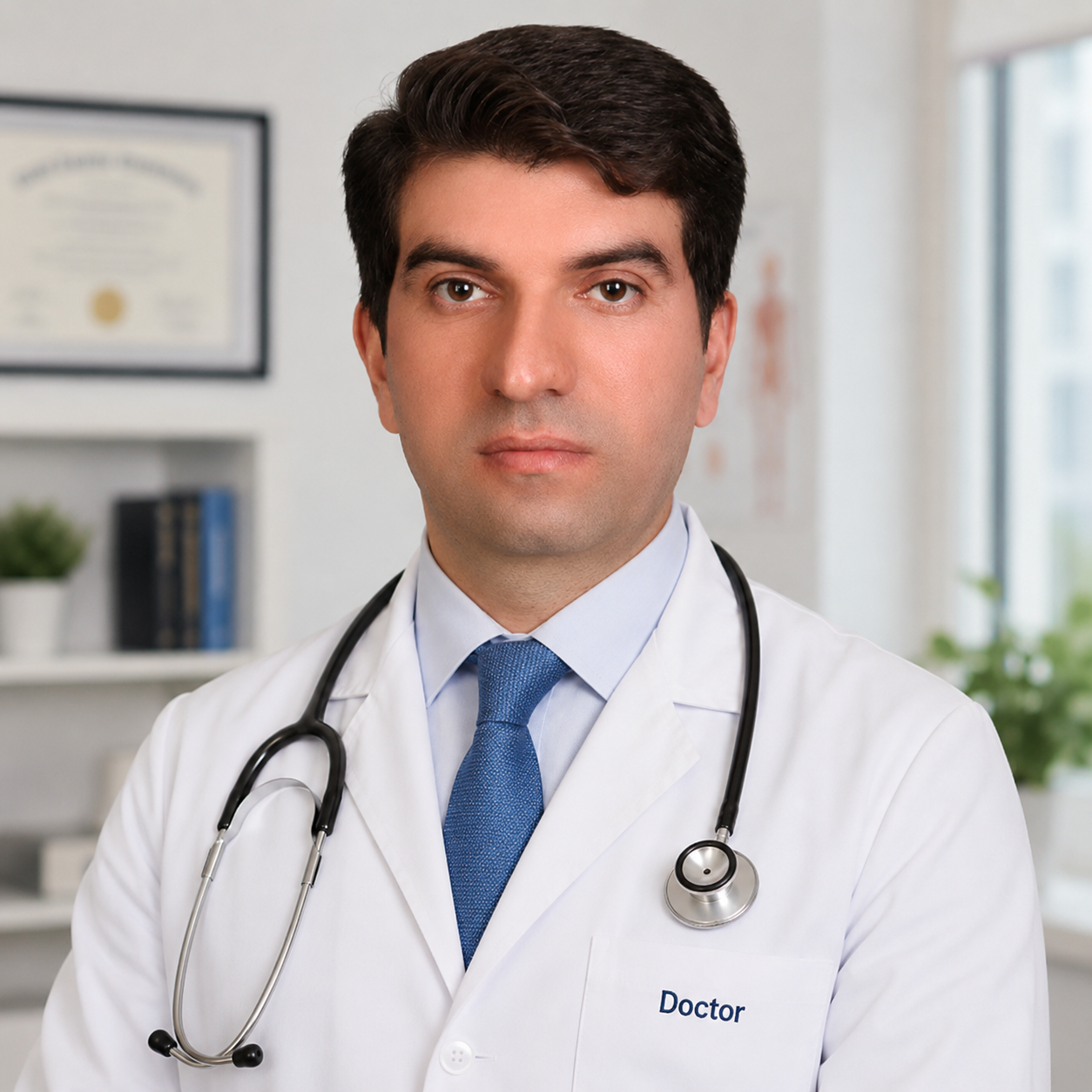
Knee & Joint PRP Dr Naser Nikkhah — Knee PRP, Point Cook

Dr Naser Nikkhah

General Practitioner
Knee Osteoarthritis Joint PRP

Offering PRP for knee osteoarthritis and joint-related indications at Point Cook Doctors — a non-surgical option for patients managing knee pain and reduced mobility.

The Science

What is PRP, exactly?

An advanced concentration of your own platelets and growth factors — injected to encourage your body’s natural repair.

PRP stands for Platelet-Rich Plasma.

A small sample of blood is collected and processed using specialised equipment to concentrate platelets and growth factors. This concentrated plasma is then injected into the treatment area.

Because PRP is produced from your own blood, it is generally well tolerated and carries minimal risk of allergic reaction.

Growth factors help support

  • Tissue repair
  • Collagen production
  • Cellular regeneration
  • Blood vessel formation
  • Hair follicle health
  • Recovery from injury

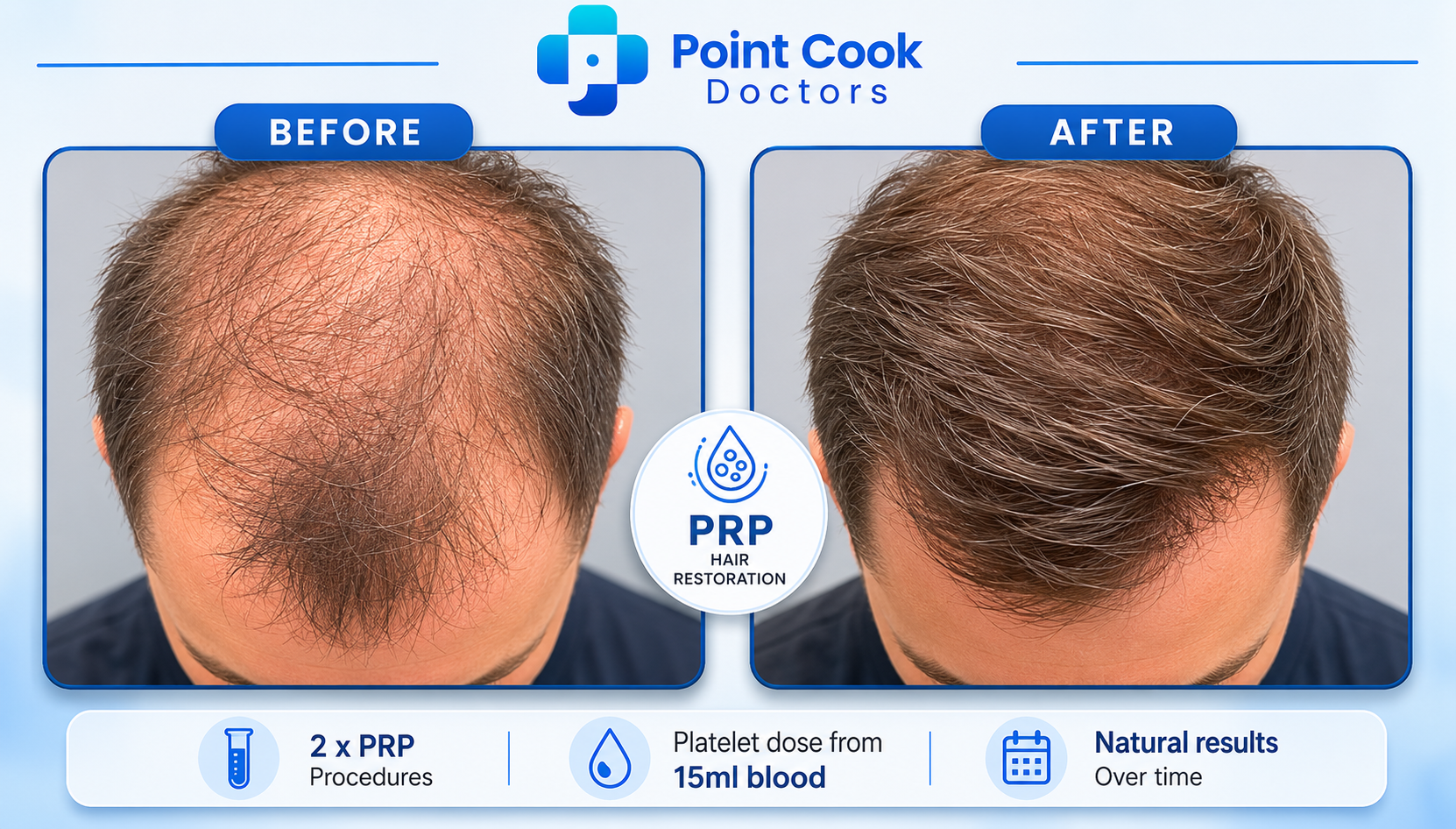
PRP for Hair Restoration

Restore confidence. Support healthier hair growth.

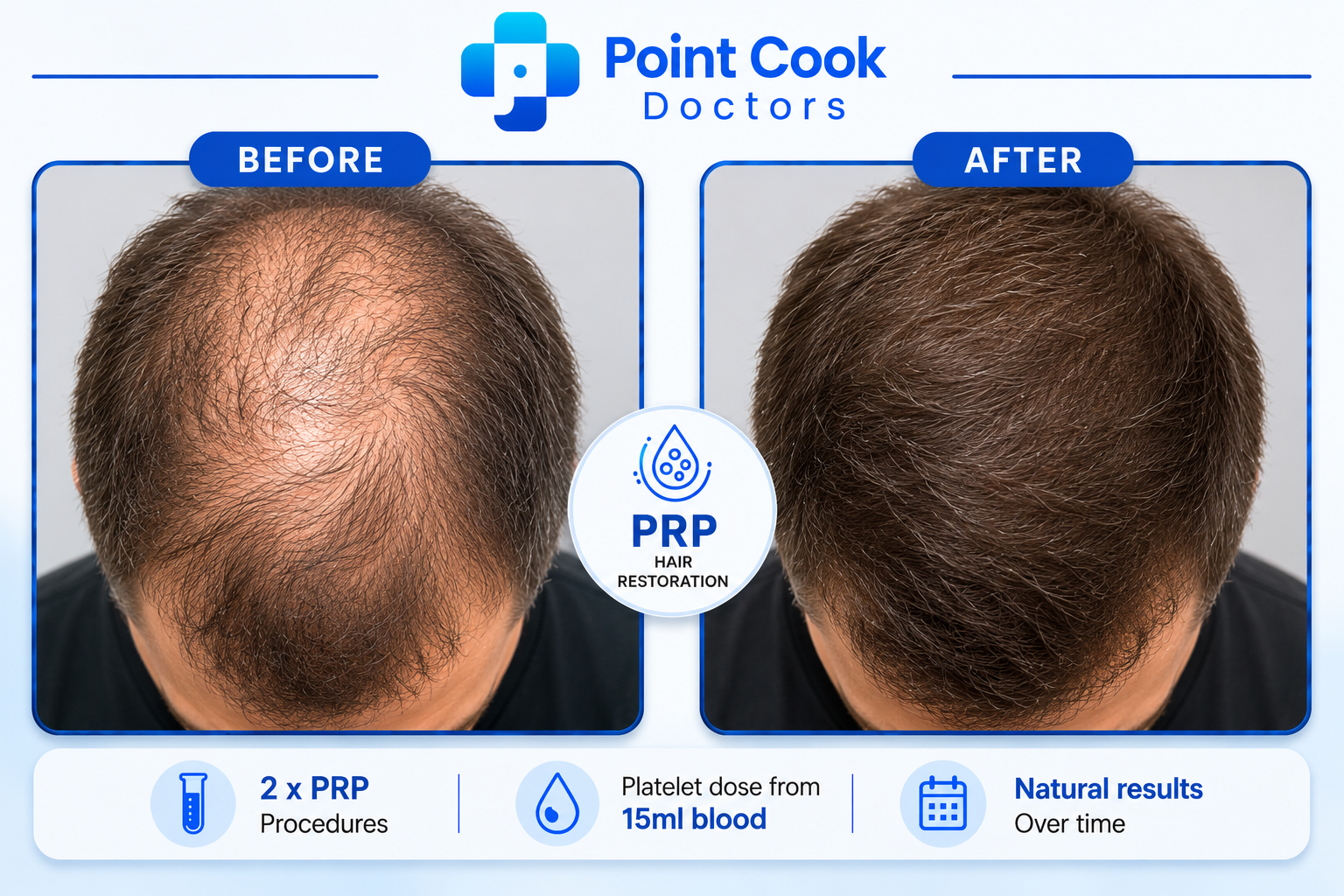
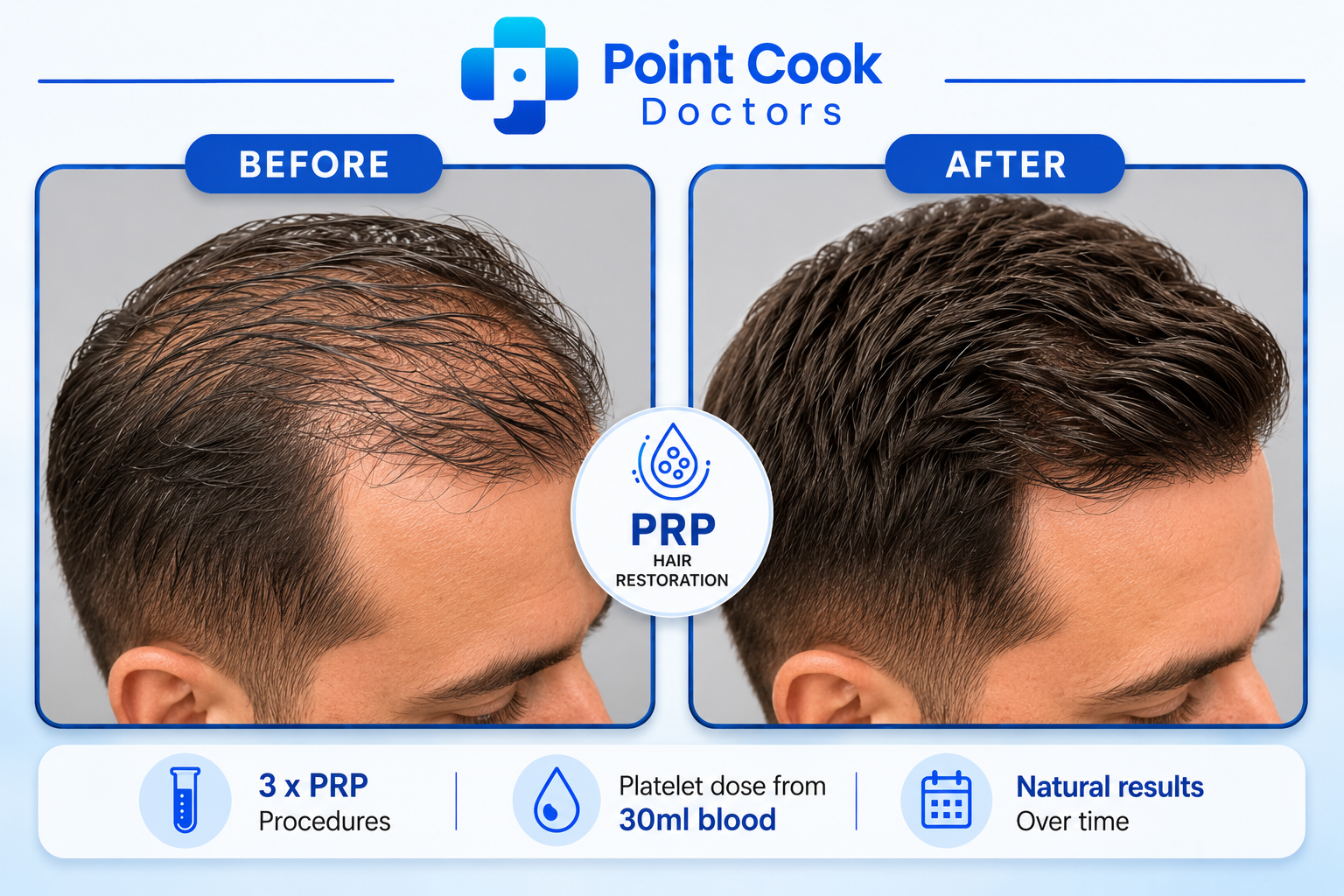
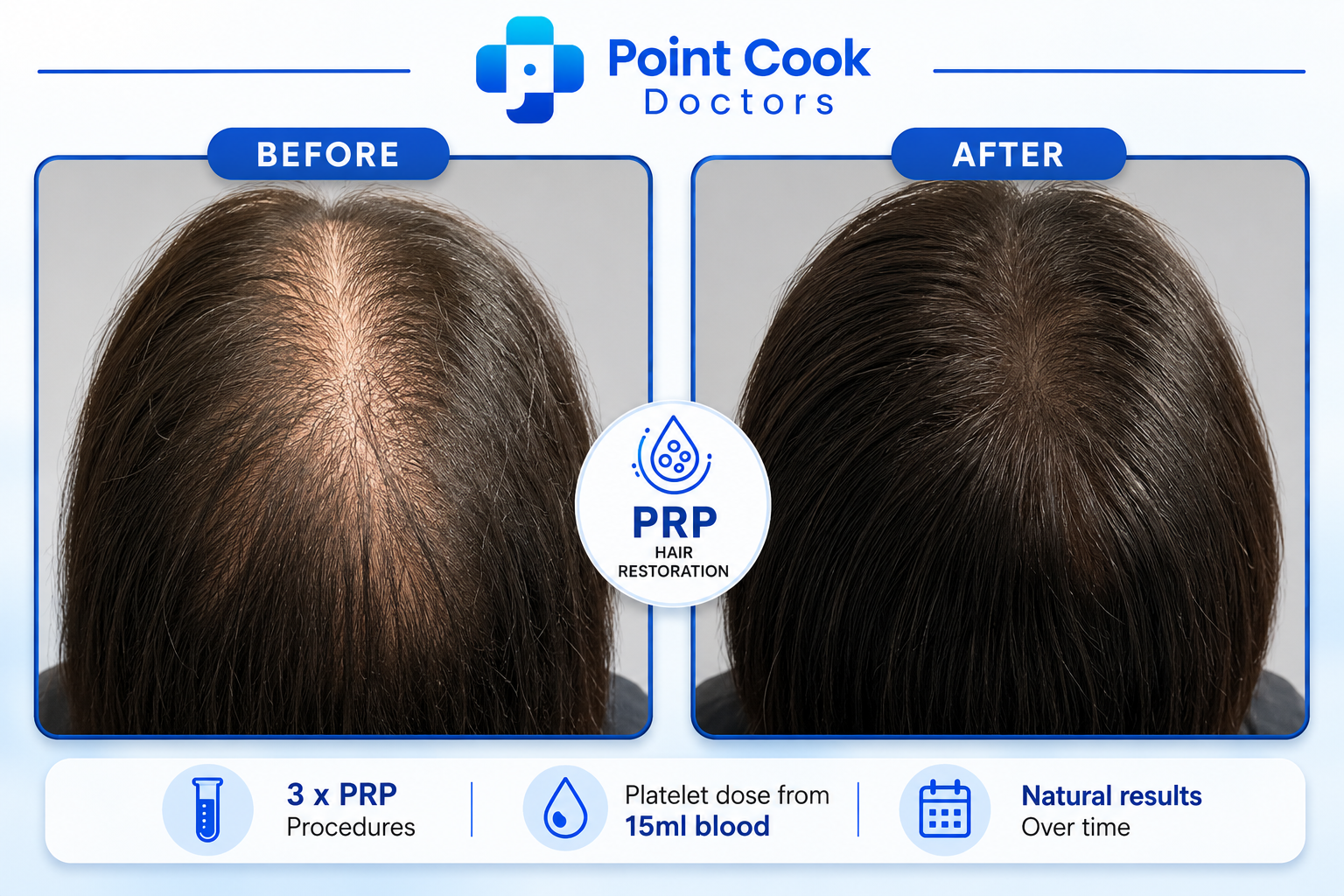
Hair thinning affects both men and women and can impact confidence at any age. PRP aims to stimulate weakened hair follicles and improve scalp health, helping support:

  • Increased hair density
  • Reduced hair shedding
  • Improved hair thickness
  • Healthier scalp circulation
  • Reduced scalp visibility

PRP may be suitable for

  • Male pattern hair loss
  • Female pattern hair loss
  • Diffuse hair thinning
  • Early-stage hair loss
  • Non-surgical treatment seekers

Individual results vary. Most patients benefit from a structured treatment program.

Take the next step

Curious if PRP is right for you?

Book a consultation at our Point Cook clinic — we’ll assess your suitability and tailor a plan to your goals.

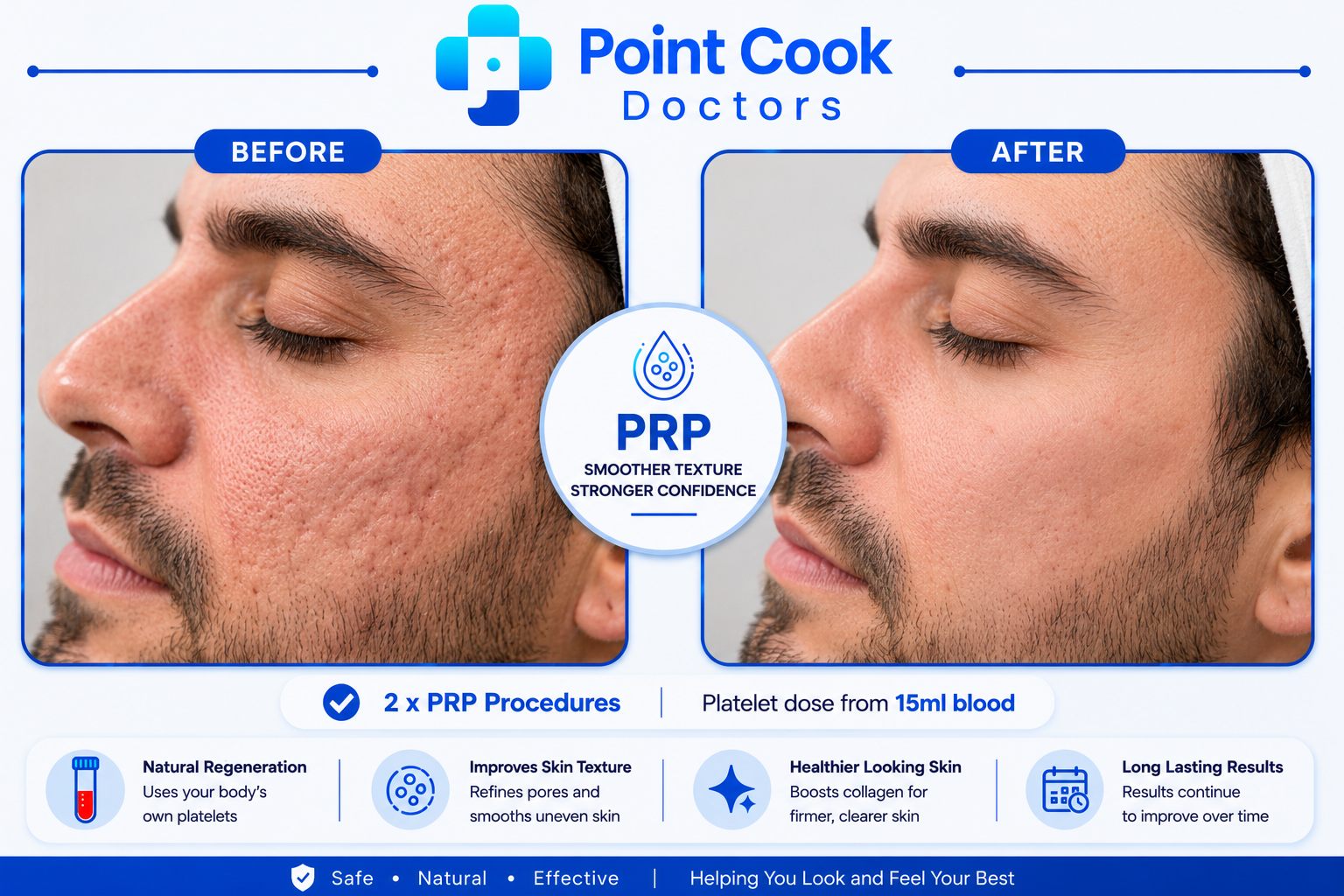
PRP for Skin Rejuvenation

Rejuvenate your skin naturally.

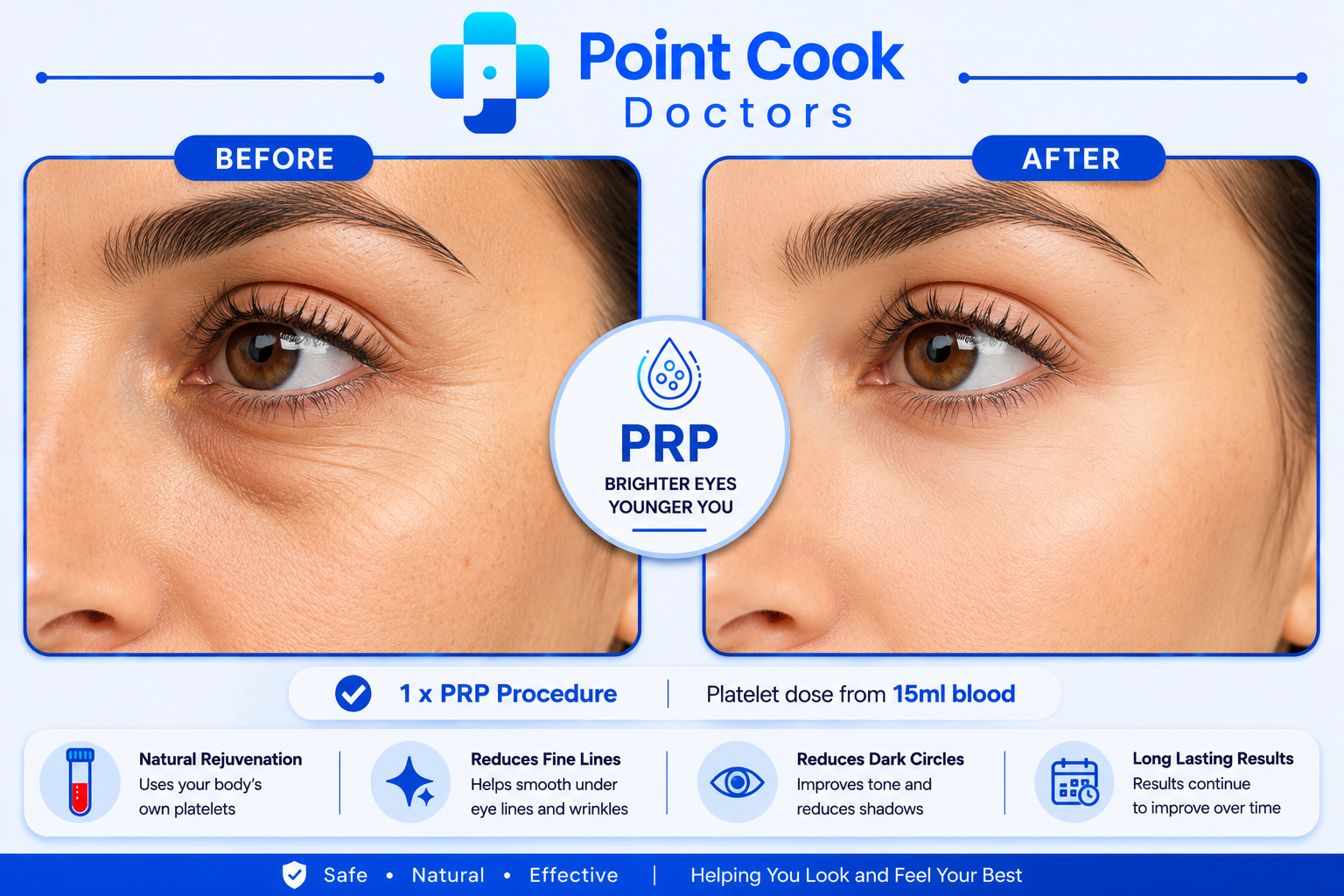
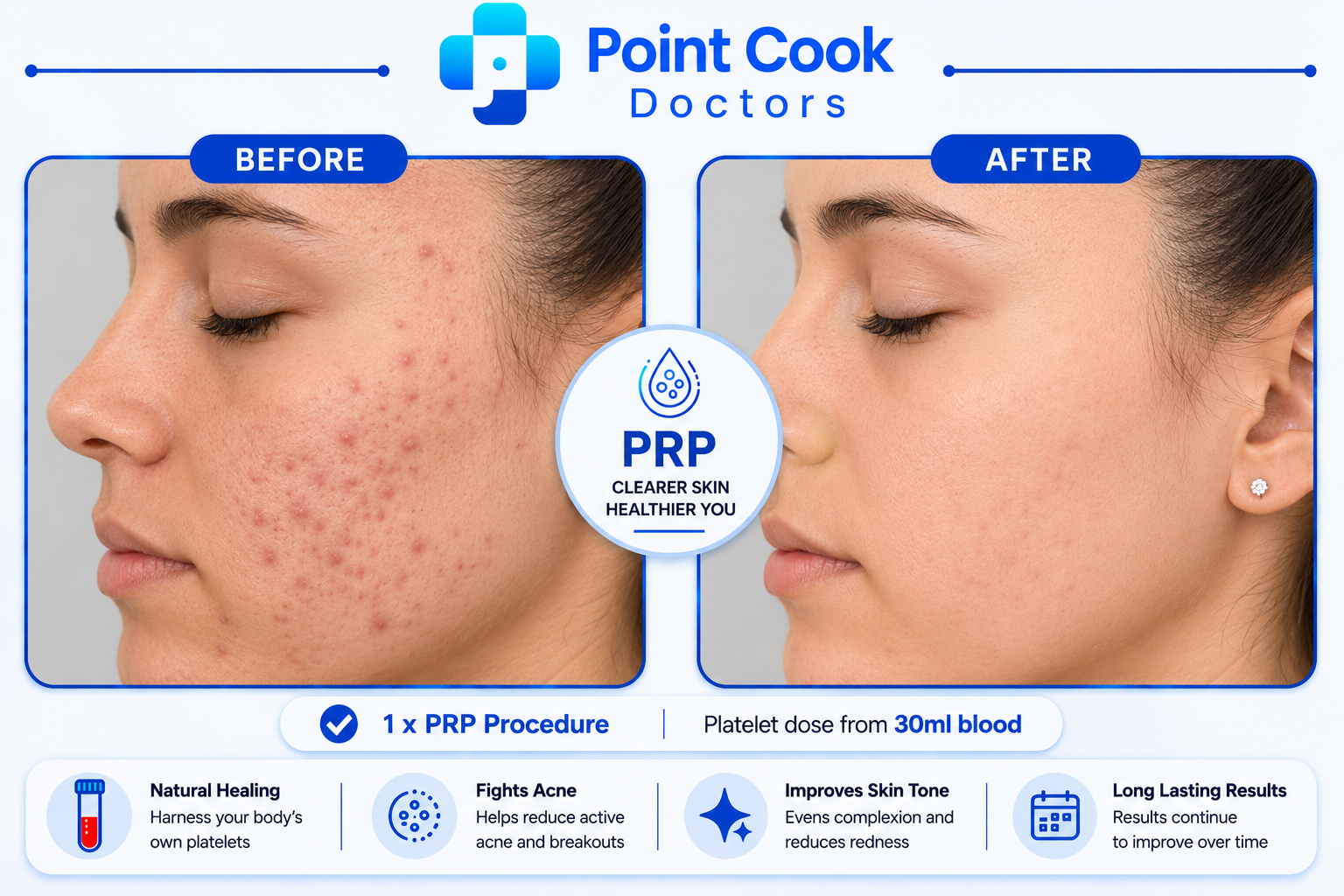
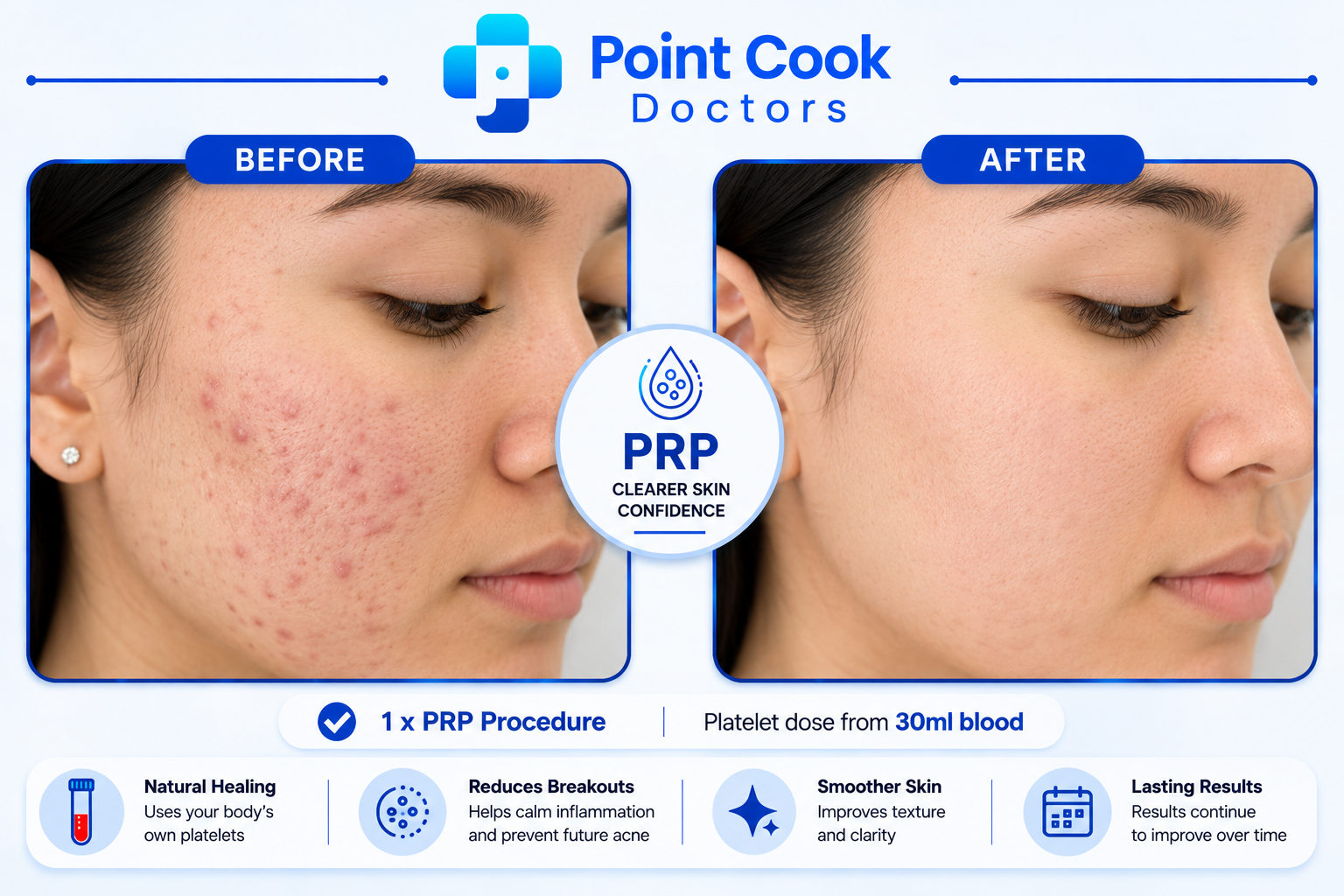
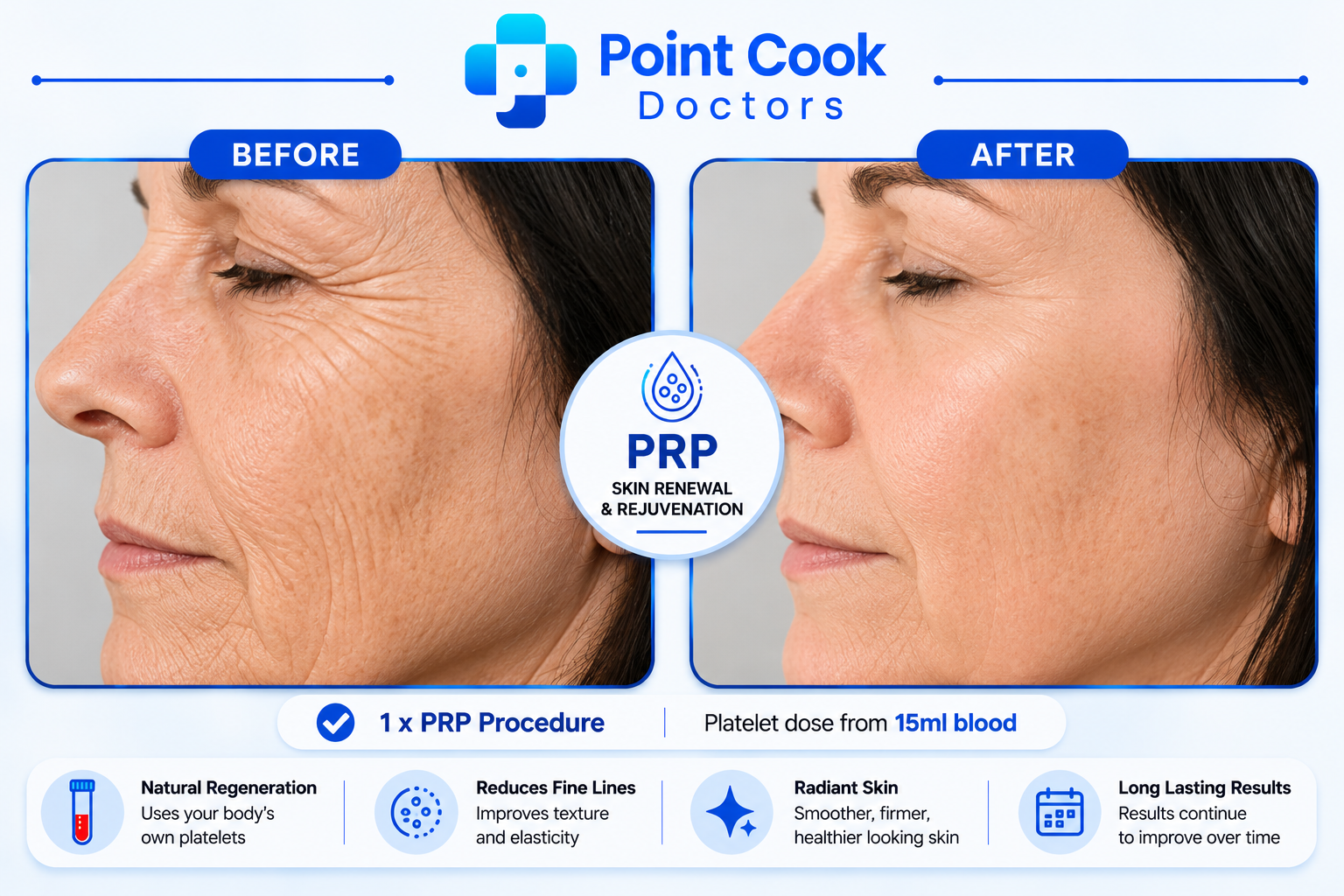
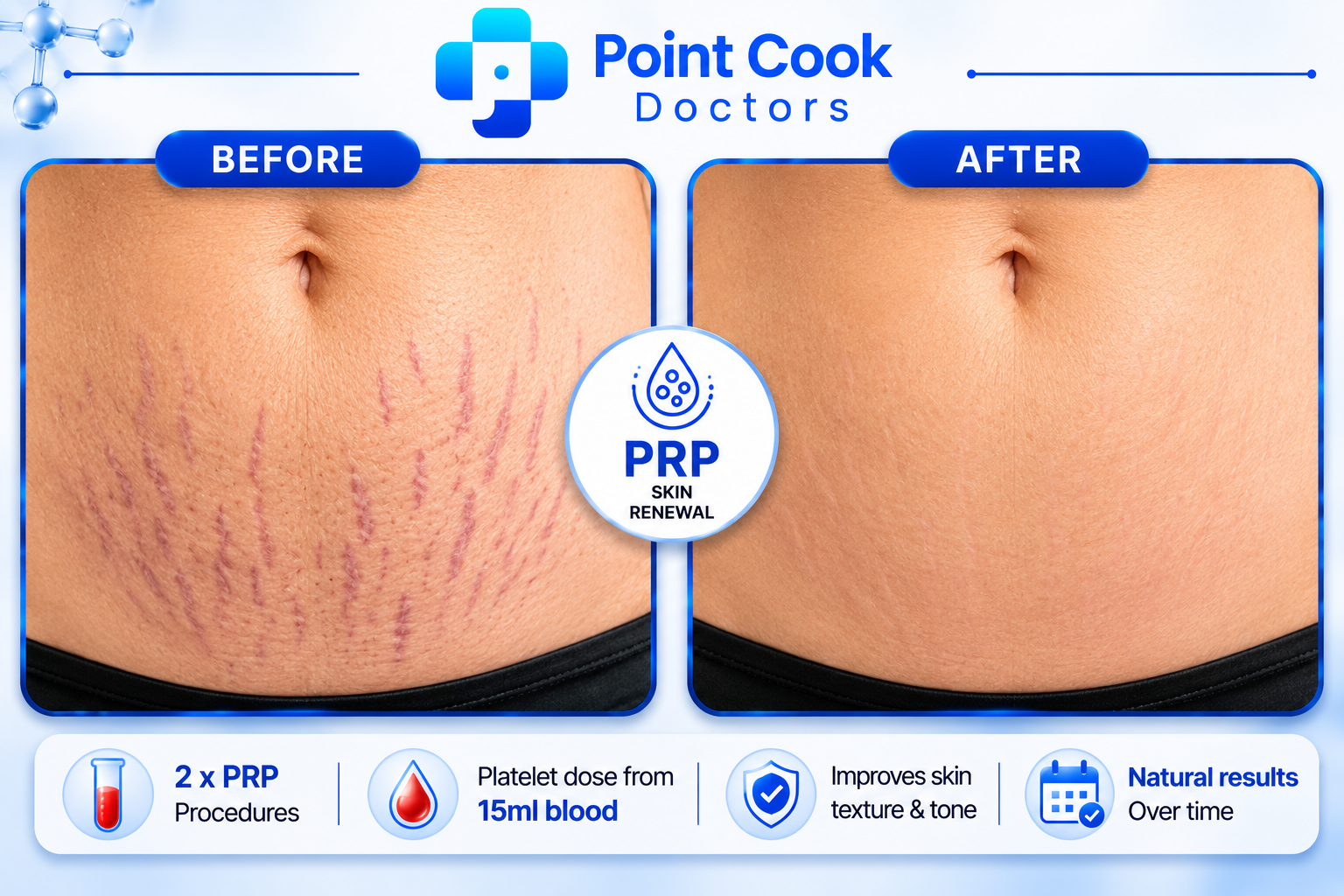
PRP stimulates collagen production and tissue renewal to improve skin quality and support a fresher, healthier appearance. Rather than simply masking signs of ageing, PRP works by encouraging the skin’s natural regenerative processes.

Potential benefits may include

  • Improved skin texture
  • Improved skin tone
  • Enhanced skin radiance
  • Reduction in fine lines
  • Increased collagen production
  • Improved skin elasticity

May also support the appearance of

  • Acne scarring
  • Surgical scars
  • Stretch marks
  • Pigmentation concerns
  • Sun-damaged skin
  • Age-related skin changes

Results vary between individuals and depend on factors including age, skin condition, treatment plan, and lifestyle factors.

PRP for Knee Osteoarthritis

A non-surgical option for knee pain.

Knee osteoarthritis is one of the most common causes of pain, stiffness, and reduced mobility. PRP therapy is increasingly used to help patients manage symptoms and maintain activity levels by supporting the body’s natural healing response within the joint.

Potential benefits may include

  • Reduced knee pain
  • Improved joint function
  • Improved walking tolerance
  • Greater participation in exercise & daily activities
  • Improved quality of life

PRP may be considered for individuals with mild to moderate knee osteoarthritis who are seeking alternatives to long-term medication use or wish to delay more invasive interventions.

Ready to talk to a doctor?

Talk to a Point Cook GP about your PRP options.

Whether it’s a stubborn tendon, a sore knee, thinning hair, or skin concerns — our team will walk you through what PRP can and can’t do.

PRP for Tendon & Soft Tissue Injuries

Supporting recovery and function.

PRP is commonly used in sports and musculoskeletal medicine to support healing in chronic tendon conditions and selected soft tissue injuries.

Conditions assessed for suitability may include

  • Tennis elbow
  • Golfer’s elbow
  • Achilles tendinopathy
  • Plantar fasciitis
  • Rotator cuff tendinopathy
  • Patellar tendinopathy
  • Gluteal tendinopathy
  • Hamstring tendinopathy
  • Selected ligament injuries
  • Certain muscle injuries

PRP may be considered when symptoms have persisted despite physiotherapy, exercise rehabilitation, or other conservative treatments.

Why Patients Choose PRP

A treatment that works with your body, not against it.

01

Natural Treatment

PRP uses your own blood and harnesses your body’s natural repair processes.

02

Minimally Invasive

Treatment is performed in the clinic with minimal downtime.

03

Personalised Care

Each patient undergoes an individual assessment and treatment planning process.

04

Multiple Applications

PRP may be used across a range of hair, skin, joint, tendon, and soft tissue conditions.

What to Expect

From consultation to recovery.

A clear, considered pathway designed around your goals and clinical suitability.

Initial Consultation

Assess & plan

  • Medical assessment
  • Discussion of symptoms and goals
  • Review of previous treatments
  • Determination of suitability
  • Individualised treatment plan
Treatment

In-clinic procedure

  • Blood collection
  • Preparation of platelet-rich plasma
  • Targeted injection into the treatment area
  • Post-treatment advice

Most appointments take approximately 45–60 minutes.

Recovery

Settle & return

Most patients return to normal activities shortly after treatment.

Temporary effects may include

  • Mild swelling
  • Tenderness
  • Redness
  • Temporary discomfort at the treatment site

These symptoms generally settle within several days.

Frequently Asked Questions

The answers most patients want first.

Is PRP safe?
PRP is prepared from your own blood, reducing the risk of allergic reactions or rejection.
How many treatments will I need?
Treatment requirements vary depending on the condition being treated and individual goals.
When will I see results?
Some patients notice improvement within weeks, while others experience gradual changes over several months.
Is there any downtime?
Most patients can return to normal daily activities shortly after treatment, although activity modification may be recommended depending on the treatment area.
Is PRP covered by Medicare?
PRP is generally not covered by Medicare when used for regenerative or cosmetic purposes.

Book Your Consultation

Choose your doctor — book today.

Two experienced GPs at Point Cook Doctors offering PRP. Pick the doctor whose focus matches your goals — or call us and we’ll point you to the right fit.

Dr Mohamed Ghilan — PRP Doctor at Point Cook
Hair · Skin · Knee · MSK

Dr Mohamed Ghilan

MD, PhD (Neuroscience)

Offers the full range of PRP at Point Cook Doctors — hair restoration, skin rejuvenation, knee osteoarthritis, and tendon & soft tissue conditions.

Book with Dr Ghilan
Dr Naser Nikkhah — Knee PRP Doctor at Point Cook
Knee & Joint PRP

Dr Naser Nikkhah

General Practitioner

Offers PRP for knee osteoarthritis and joint-related indications — a non-surgical option for managing knee pain and maintaining mobility.

Book with Dr Naser
Prefer to talk first? Call (03) 7300 7780