


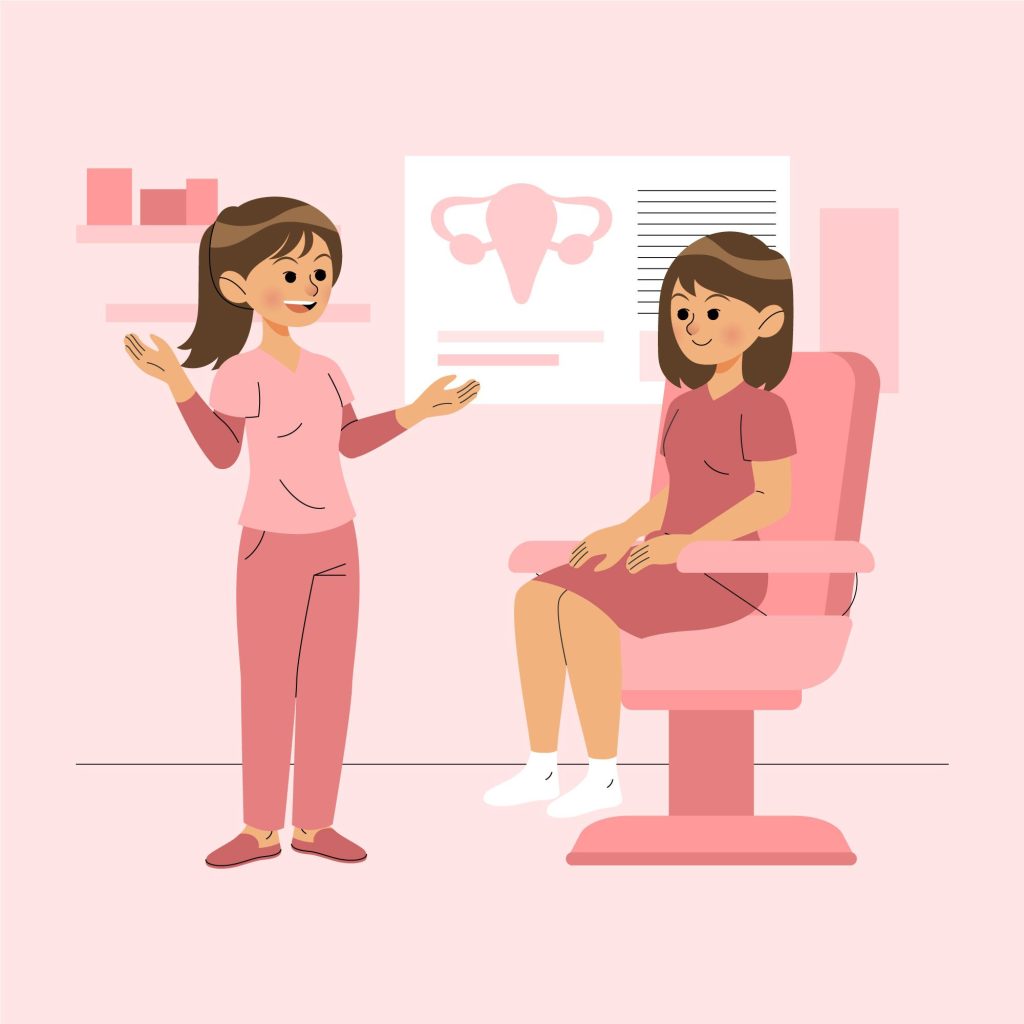
Cervical cancer is one of the riskiest diseases, especially in the case of women. Hence, women need to be aware of this disease for themselves. By following the cervical screening tests, you can protect your health, as they will spot abnormalities in the early detection stage of the test. The result of these tests could be a progressive stage of cervical cancer, which can be treated quickly. The step will stop issues before they arise in your health.
Key Takeaways
- Cervical screening checks cervical cells for HPV and abnormal changes, so precancerous changes can be treated before they develop into cancer.
- The test takes only a few moments; collecting the sample can be a little uncomfortable.
- If a result is suspicious, follow-up care such as a repeat test or a colposcopy referral is arranged.
- The HPV vaccine adds protection against the high-risk HPV strains that cause cervical cancer.
Understanding Cervical Screening
A smear test or cervical screening is a medical procedure used to identify precancerous cell alterations in the cervix. These alterations may develop into cervical cancer. During the screening, a medical professional takes cervical cells to look for abnormalities, the human papillomavirus (HPV), or other problems. As it enables precancerous alterations to be treated before they develop into cancer, early detection is essential.
Importance of Early Detection
It is common for women who engage in sexual activity to become infected with human papillomavirus (HPV). The virus can clear itself naturally in many cases, but when high-risk varieties continue to exist, they can alter cervical cells. It is possible to totally avoid the development of cancer by treating these changes at an early stage. Screening regularly is critical for the reproductive health of women. This is consistent with the concepts of Chronic Disease Management, which include the detection, monitoring, early treatment, and prevention of escalation of the condition.
Book an appointment with a GP at Point Cook Doctors on Main Street, Point Cook.
What to Expect During a Test
It is an easy process that often takes only a few moments. At the first stage of the test, the sample of cervical cells is required to be collected carefully. The sample collection can be a little uncomfortable for you.
It might be considerably simpler if you are at ease and knowledgeable. A repeat test or a referral for a colposcopy are examples of proper follow-up care. The medical professional will set up this care in the event of any suspicious results.
Screening Methods and Requirements
Under the Australian National Cervical Screening Program, women and people with a cervix aged 25 to 74 are invited to have a Cervical Screening Test every 5 years. Chronic disease management is enhanced by routine testing, which offers steady monitoring to maintain women’s health.
HPV Vaccination and Prevention
Another essential part of preventative therapy is the HPV vaccine. It provides defence against the high-risk HPV strains that cause cervical cancer as well as other malignancies, such as:
- anal cancer
- oropharyngeal cancer
In the management of chronic diseases, screening and immunisation work in combination to lower future risks and enhance long-term health.
Frequently Asked Questions
What does a cervical screening test look for?
A medical professional takes cervical cells to look for the human papillomavirus (HPV), precancerous cell changes or other problems, so changes can be treated before they develop into cancer.
Does cervical screening hurt?
It is an easy process that often takes only a few moments. Collecting the sample can be a little uncomfortable, and it can feel simpler if you are at ease and know what to expect.
What happens if my result is suspicious?
The medical professional will set up follow-up care, such as a repeat test or a referral for a colposcopy.
Does the HPV vaccine replace screening?
No. The HPV vaccine protects against the high-risk HPV strains that cause cervical cancer, and screening and immunisation work in combination to lower future risks.
Conclusion
Cervical cancer screening is an essential component of chronic disease management, as it helps prevent serious illnesses through early detection. Regular monitoring is necessary, similar to the management of chronic conditions. This process includes early diagnosis, timely treatment, ongoing education, and routine check-ups to maintain women’s health.
Women can rely on Point Cook Doctors for cervical screening tests and many other health services.
Book an appointment with a GP at Point Cook Doctors on Main Street, Point Cook.