

Sports Doctor in Point Cook
Our sports medicine program helps athletes recover and manage their injuries and ailments. Whether you’re dealing with tennis elbow or a soccer injury, a sports doctor in Point Cook can help immediately and in the longer term.
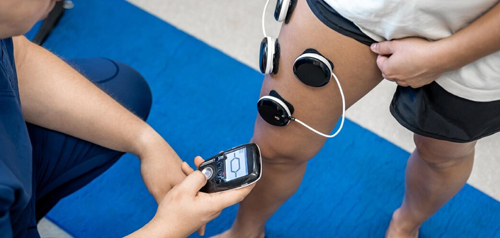
Getting back to what you enjoy
Sport and exercise bring big health benefits, but sprains, strains and overuse injuries are common along the way. The aim of sports medicine is to diagnose the problem accurately and guide a safe return to activity, while lowering the chance of it happening again.
Injuries a sports doctor in Point Cook often sees
- sprained ankles and ligament injuries
- hamstring and calf strains
- knee injuries
- shoulder pain and rotator cuff injuries
- golfer’s elbow
- shin pain and stress injuries
- Achilles tendon pain
- concussion and head knocks
Overuse injuries
Overuse injuries such as shin splints, tendon pain and stress fractures build up gradually, often after a sudden jump in training, a change of surface or new footwear. Reducing load early, rather than stopping all activity, is often the key to settling them.
The first 72 hours
For soft tissue injuries such as sprains and strains, follow RICER:
- Rest the injured area and avoid activities that cause pain
- Ice for 15 to 20 minutes every two hours, with a cloth between the ice and your skin
- Compression with a firm bandage to help reduce swelling
- Elevation of the injured area above the level of the heart
- Referral to a health professional if the injury is not improving
Avoid HARM over the same period: heat, alcohol, running and massage can all increase bleeding and swelling.
Planning a safe return
Returning too soon increases the risk of re-injury. A graded plan progresses from restoring movement to rebuilding strength, then sport-specific drills, before full training and competition. Physiotherapy often guides this process, and strapping, bracing or a change of footwear may be suggested along the way.
Head knocks and concussion
Anyone with a suspected concussion should stop playing straight away and not return on the same day. A medical assessment and a gradual return to activity should follow. Seek urgent care if symptoms get worse, including repeated vomiting, a severe headache, confusion or drowsiness.
Reducing injury risk
- warm up before activity and cool down afterwards
- build up training loads gradually
- use the right footwear and protective gear
- allow recovery time between sessions
- get niggles checked early rather than playing through them
Common questions
Should I use ice or heat?
Ice is the better choice in the first two to three days, while heat can increase swelling. After that early stage, gentle heat may help with stiffness.
Is it okay to play through pain?
Mild soreness after exercise is normal, but sharp pain, swelling, or pain that changes how you move are signs to stop and get the injury checked.
Are injuries in children different?
Children and teenagers are still growing, and some injuries affect growth plates. Ongoing pain, swelling or limping in a child should be checked by a doctor.
Can a GP help with other exercise-related problems?
Yes, including breathlessness during exercise, managing asthma or diabetes around training, and returning to sport after an illness.
When does an ankle sprain need an X-ray?
An X-ray may be needed if you cannot take four steps straight after the injury or when examined, or if there is tenderness over particular bony areas of the ankle or foot.
Can I exercise with a cold?
Mild symptoms above the neck, such as a runny nose, may allow light exercise, but rest if you have a fever, body aches or chest symptoms.
Does strapping help prevent injury?
Taping or bracing can lower the risk of re-injury for some joints, especially ankles in the months after a sprain.
Good to know
Before your appointment
If you are a new patient, please arrive at least five minutes before your consultation and bring:
- Photo ID
- A valid Medicare card
Fees and billing
We offer bulk billing to all patients with a valid Medicare card for standard consultations. All procedures are subject to fees.