

Orthopaedic Care in Point Cook
Healthcare professionals usually actively treat a person for acute conditions. With chronic orthopaedic conditions, a person is more active during their care, often in partnership with a caregiver or healthcare team. People may also need to make lifestyle changes to manage chronic conditions.
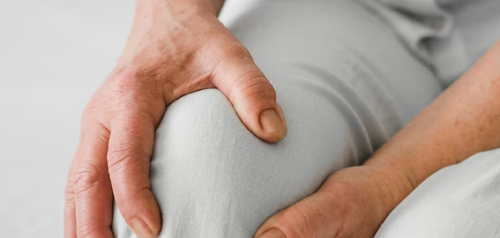
Bones, joints and soft tissues
Orthopaedic problems involve the musculoskeletal system: bones, joints, muscles, tendons and ligaments. Some follow a specific injury, others develop gradually with age or overuse, and some are part of a long-term condition such as osteoarthritis or osteoporosis.
Common orthopaedic problems
- back and neck pain
- osteoarthritis
- knee, hip and shoulder pain
- tennis elbow and other tendon problems
- suspected fractures after a fall
- low bone density and osteoporosis
Low back pain
Most episodes of low back pain are not caused by serious damage and improve within weeks. Staying active, continuing normal activities as much as possible and avoiding long periods of bed rest all help recovery.
Shoulder pain
Shoulder pain often comes from the rotator cuff tendons, especially with overhead activity, or from frozen shoulder, a painful stiffening that can take many months to settle. Pain that wakes you at night or limits raising the arm is worth having assessed.
Finding the cause
A history and examination identify most musculoskeletal problems. Where more information is needed, a GP can arrange an X-ray to look at bone, an ultrasound for tendons and soft tissue, an MRI in selected situations, or blood tests to check for inflammatory conditions. A suspected fracture may need same-day imaging or an emergency department visit.
Living with a long-term joint condition
Osteoarthritis and chronic back pain are managed over months and years rather than fixed in a single visit. Approaches that commonly help include:
- regular strengthening and low-impact exercise
- physiotherapy
- weight management, which reduces the load on hips and knees
- pain relief used as directed
- walking aids, braces or home modifications where they help
Bone health
Osteoporosis makes bones fragile and more likely to break, often without warning. Risk rises with age, particularly for women after menopause. A GP can assess your risk and arrange a bone density scan when one is recommended.
Specialist referral
When conservative treatment is not enough, or a problem needs specialist assessment, referral options include an orthopaedic surgeon, sports physician or rheumatologist.
Seek urgent care
Go to an emergency department if you cannot bear weight, a limb looks misshapen, or a joint is hot, swollen and red with a fever.
Common questions
What is the difference between an orthopaedic surgeon and a sports physician?
An orthopaedic surgeon is a surgical specialist in bones and joints. A sports physician is a doctor who specialises in the non-surgical management of exercise-related and musculoskeletal conditions.
Does exercise help arthritis?
Appropriate exercise can reduce pain and improve strength and movement for many people with osteoarthritis. Starting gradually and building up is key.
Will I need surgery?
Most musculoskeletal conditions are managed without surgery. If an operation may be worth considering, a referral to an orthopaedic surgeon allows you to discuss it.
What is the difference between osteoarthritis and rheumatoid arthritis?
Osteoarthritis involves gradual changes in joint cartilage and bone and is most common in knees, hips and hands. Rheumatoid arthritis is an autoimmune condition that inflames the joints, often the small joints of the hands and feet, and needs early specialist treatment.
Should I wear a brace?
Braces and supports help with some conditions during particular activities, but relying on one all day can weaken muscles. Ask before using one long term.
Can osteoporosis be prevented?
Weight-bearing and strength exercise, enough calcium and vitamin D, not smoking and limiting alcohol all help protect bone strength.
Is it safe to exercise with joint pain?
Usually, yes. Mild discomfort during exercise that settles within a day is generally acceptable, but stop and seek advice if pain is sharp or keeps getting worse.
Good to know
Before your appointment
If you are a new patient, please arrive at least five minutes before your consultation and bring:
- Photo ID
- A valid Medicare card
Fees and billing
We offer bulk billing to all patients with a valid Medicare card for standard consultations. All procedures are subject to fees.